
Before You Book: The Solo Traveller's 20-Minute Research Ritual
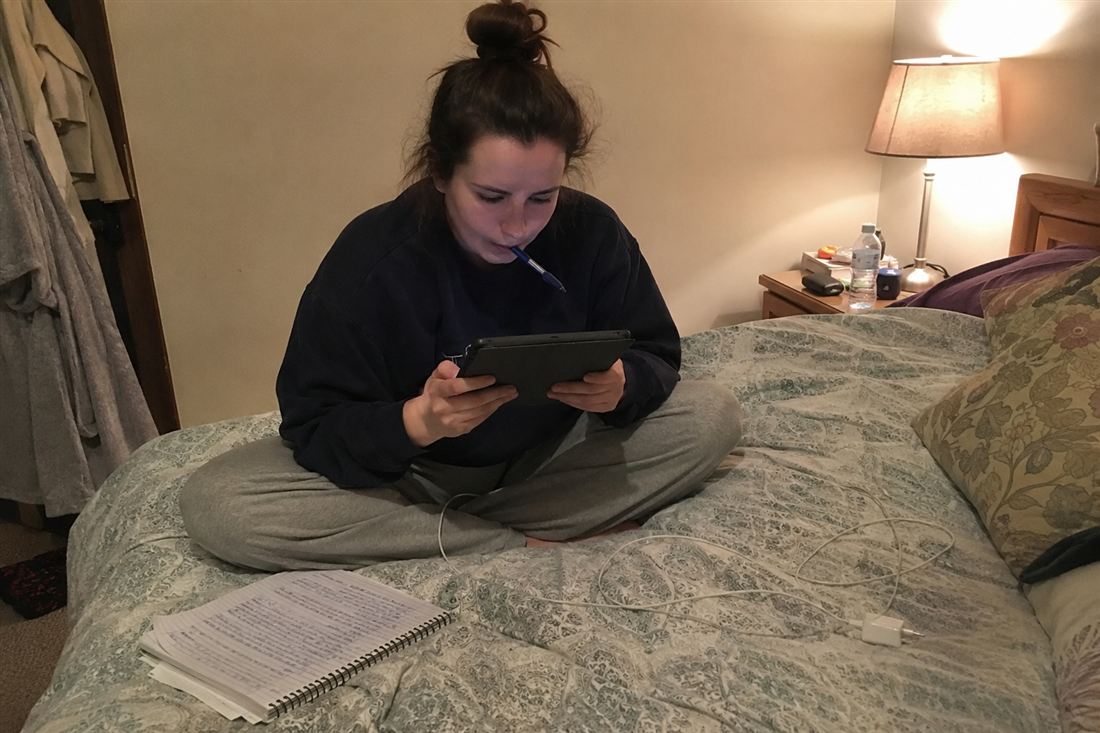
Almost everything that makes solo travel harder than it needs to be is decided before you leave — the neighbourhood, the arrival time, the transfer, the accommodation. Twenty minutes at the booking stage buys you more than anything you can pack.
Research is the cheapest safety measure there is
Once you have paid for a room in the wrong part of town, or a flight that lands at 1am with no public transport, your options narrow to expensive ones. The same twenty minutes spent before you book is worth hours of caution afterwards — and it makes the trip better, not just safer, because you arrive already oriented.
The twenty minutes
1. The neighbourhood, not the city (4 minutes)
Cities are not uniform, and national reputations tell you almost nothing about the four streets around your accommodation. Drop the exact address into a map and use street view to walk the route from the nearest transport stop to the door. Then do the honest test: would I be comfortable walking this at 11pm with luggage? Look for lighting, shutters, whether anything is open in the evening, and whether it is residential or an emptied-out business district after six.
2. Getting from the airport or station (4 minutes)
Decide in advance which transport you will use and roughly what it should cost, because the moment you are tired at an unfamiliar arrivals hall is the moment you are most likely to accept whoever approaches you. Find out which taxi app locals actually use, where the official rank is, and whether public transport is still running at your arrival time.
If your flight lands late, this is the point to consider paying for the airport hotel and travelling in daylight. Arrival time is the most under-weighted safety decision in travel.
3. Read the reviews properly (4 minutes)
Filter to the most recent reviews, and specifically look for ones written by solo women. Ignore the star rating and read for the details that matter: whether the door locks properly, whether reception is staffed at night, whether the walk from the transport stop felt fine, whether photos match reality. A pattern of "the area is a bit rough at night but the place is lovely" is telling you something the rating never will.
4. Numbers and paperwork (3 minutes)
The local emergency number is not 999 everywhere — save the right one. Note the address and number of your country's embassy or consulate. Take photos of your passport, visa, insurance policy and booking confirmations, and store them somewhere you can reach without your bag — email them to yourself, and keep one printed copy separately from the originals.
5. Local context (3 minutes)
Read your government's official travel advice for the country, then look up anything specific to women travelling alone there — local norms, whether certain areas or times are best avoided, what the common scams are in that particular city. Knowing the two or three local scams in advance defuses them entirely; they only work on people encountering them for the first time.
6. Your check-in plan (2 minutes)
Decide before you go who you will message and when — arrival, each move between cities, and a regular day-to-day time. Agree what happens if you miss one, so it is not ambiguous. Share your itinerary and accommodation addresses with that person.
The point is not to be monitored. It is that if something goes wrong, someone knows where you were meant to be, which is the single thing that most speeds up help.
Put it on one page
Write the outputs somewhere you can reach offline: accommodation address in the local language, emergency number, embassy details, the taxi app, your check-in times, and the route from the airport. Screenshot it. Phones lose signal and batteries die at exactly the wrong moment, so a printed copy in a pocket is not old-fashioned, it is redundancy.
Book for your future tired self
The version of you who arrives is jet-lagged, carrying too much, and unable to read the signage. Almost every good travel safety decision comes from taking that person seriously: arrive in daylight, pay a bit more for the first night, pick the place near the station, and give yourself nothing complicated to work out on the first evening.
In immediate danger? Call 999. Her Security is an education platform and community — for urgent help we always recommend the police, NHS 111 or a specialist crisis line.
← All stories