
Walking Home After Dark: Awareness Without Anxiety
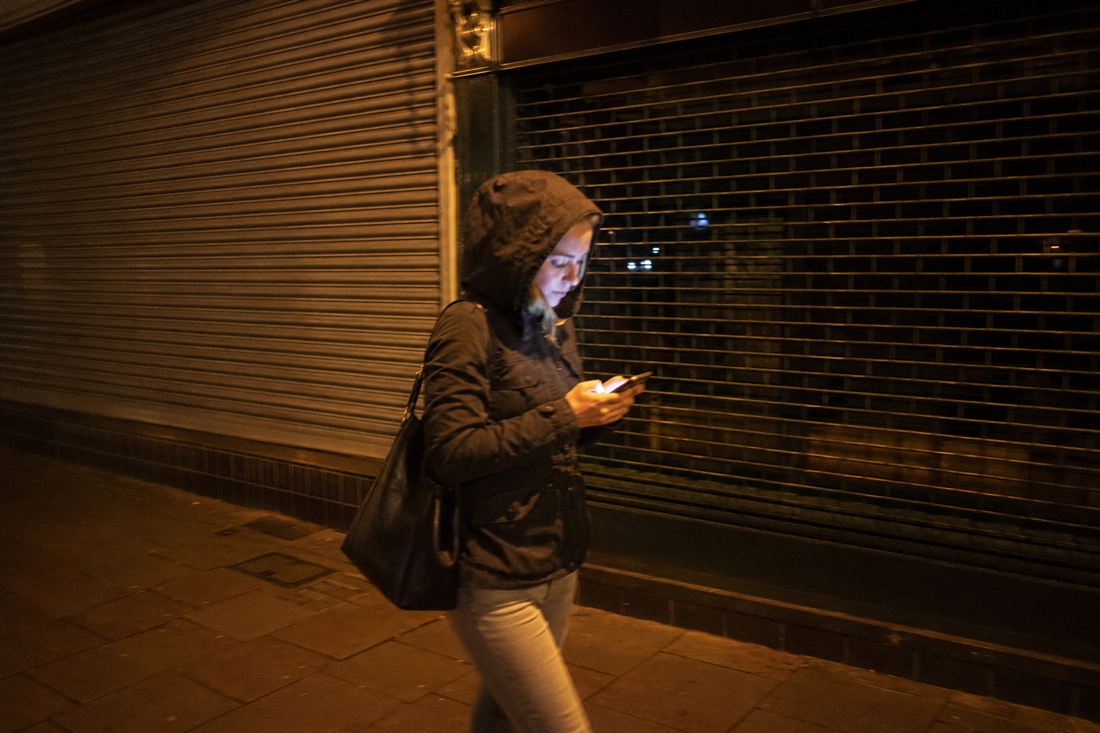
Let us be clear at the start: if something happens to you, it is the fault of the person who did it. Nothing here is about what you should have done. It is about having options ready, because decisions are hard to make quickly and easy to make in advance.
The goal is not to be on high alert
Most safety advice quietly asks women to be permanently vigilant, which is exhausting, unsustainable and — because it wears you down — actually makes you less observant over time. That is not what we are aiming for.
What we want is for the decisions to already be made. If you have thought once about what you would do if you thought you were being followed, you do not have to invent an answer while your heart rate is climbing. That is the whole trick.
Before you leave
- Know your route, including the boring bit. Not just the main roads — the last four minutes, which is usually where lighting and footfall drop off. If that section is bad, the fix is often to change where you get dropped off, not to change your whole journey.
- Charge your phone, or carry a battery. A dead phone removes every other option on this list.
- Tell one person. "Leaving now, home in twenty." Share live location if you want to. The point is not surveillance; it is that a gap gets noticed.
- Have your keys before you reach the door — not because keys are a weapon, but because standing still fumbling in a bag is the one moment on the whole walk when you are stationary and looking down.
On the move
Keep one ear free. You do not have to give up your music or your podcast — that is a real quality-of-life cost for a small gain — but one earbud out keeps your hearing available, which is the sense that gives you the most warning.
Walk with your head up and at your own pace. Walk on the side of the pavement away from parked cars and alleyway openings where you can. If you are on a road with no pavement, walk facing oncoming traffic so you can see what is coming.
If you are on the phone, be aware that a long call is absorbing in the same way headphones are. A short call as you approach the quiet stretch is more useful than a forty-minute one the whole way.
If you think you are being followed
You do not need to be sure. Acting on a maybe costs you nothing.
- Confirm it cheaply. Cross the road, or turn at the next corner. If they cross or turn too, you now have information rather than a feeling.
- Change your destination. Do not walk to your own front door. Head for light and people — a shop, a pub, a petrol station, a takeaway, a busy bus stop, a building with a staffed reception.
- Go inside and say so plainly. "I think someone is following me, can I stay here a minute." Staff deal with this more often than you would think, and nobody will make you justify it.
- Call someone and say where you are — out loud, including the street name. It is both practical and a clear signal that you are not isolated.
- Call 999 if you feel you are in danger. You do not need proof, and you will not be wasting anyone's time. If you cannot speak, call 999, listen to the prompts and press 55 — that tells the operator you need help but cannot talk.
Afterwards
If something felt wrong, write down what you remember while it is fresh: time, place, description, direction of travel, anything distinctive. It matters if you decide to report, and it also helps you process it rather than replay it.
And be kind to yourself about the adrenaline afterwards. Feeling shaky an hour later is not an overreaction — it is your body finishing a job it started.
In immediate danger? Call 999. Her Security is an education platform and community — for urgent help we always recommend the police, NHS 111 or a specialist crisis line.
← All stories